1. Confirm the property is released
If police were involved, cleanup starts after they release the space. The owner or family can check with the agency.
Goddard, KS · Sedgwick County
Cleaning up after a loved one's drug use is hard enough. In Goddard, call (877) 812-4220 and let a cleanup team remove paraphernalia, clean up residue and take away what cannot be saved.
If anyone is in danger, call 911 first. For a suicide crisis, call or text 988.
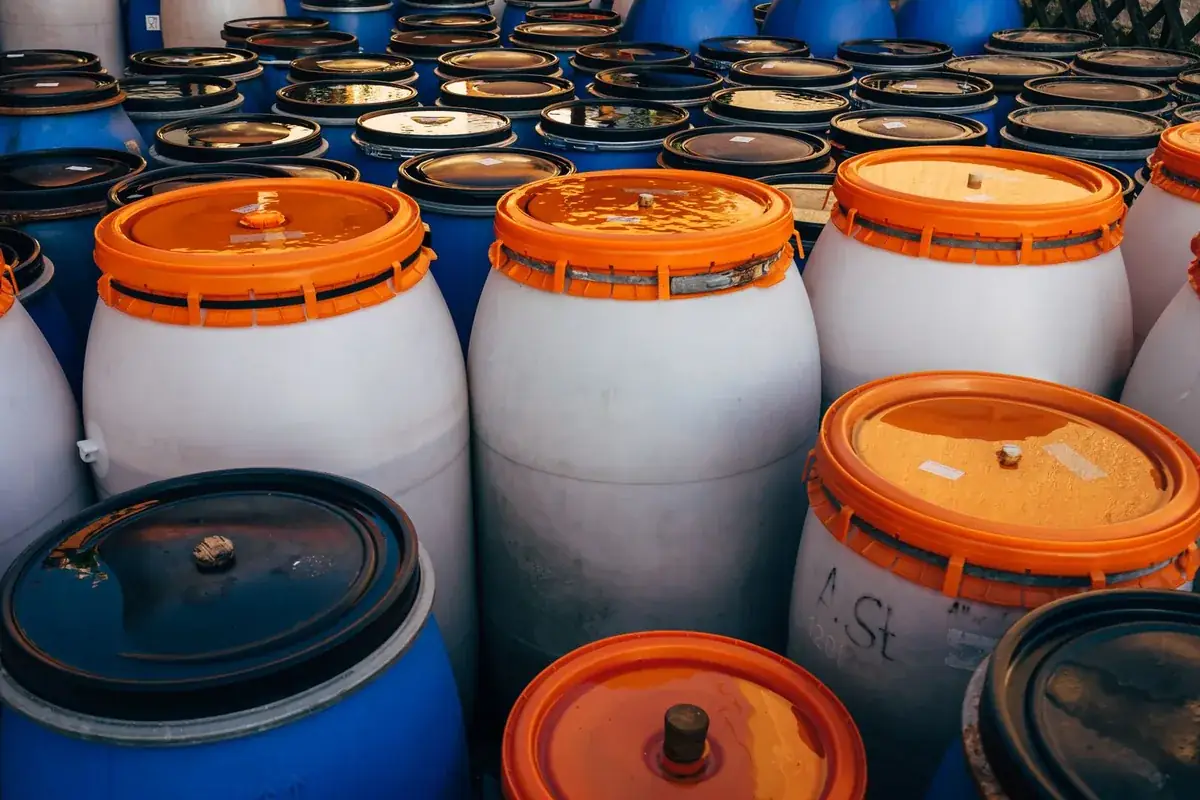
Cleaning up after drug use means handling two risks at once: sharps that can carry bloodborne pathogens and residue that can harm people who touch, breathe or swallow it.
When your Goddard home needs cleaning after a police investigation, you can call Goddard Biohazard Cleanup Help after law enforcement releases the property. Crews remove items, treat surfaces and haul away waste in Sedgwick County.
Tell the doctor where the exposure happened. Via Christi Hospital Wichita St Teresa, Inc, about 4 miles from Goddard, can evaluate people who may have been exposed. About 37% of households in Sedgwick County rent. Whether you are an owner, a landlord or a family member, a cleanup team can help.
A typical drug paraphernalia cleanup job includes:
If police were involved, cleanup starts after they release the space. The owner or family can check with the agency.
Sharps come first, then bags, foil, containers and stained linens. Each is sorted into the right container.
Items are lifted with tools into labeled containers. Soft materials that cannot be cleaned are removed and bagged.
The crew cleans, checks, and walks the owner through what was done and what still needs attention.
The cost of drug paraphernalia cleanup in Goddard, KS depends on the amount of material, how it is packed and how it is hauled.
Timing can affect the plan. A same-day need before a new tenant arrives may be scheduled differently from a job booked ahead.
| Type of job | Typical range |
|---|
Estimates only, not a quote. Sources: . Price drivers include amount of material, whether residue is present, surfaces affected, waste disposal. Call (877) 812-4220 to talk through the job.
Crews wear protective gear, remove sharps and loose items, and then clean hard surfaces with EPA-registered disinfectants. Porous materials such as carpet, padding or upholstery that took in residue may be removed. The team can explain what applies to your space.
No. A good team asks only what it needs to plan the work, and you decide what to share. If privacy matters, ask about discreet, unmarked arrival when you call. Teams differ, so ask how the call and the visit are handled.
Sometimes. Some homeowners and renters policies cover cleanup after a covered event, and some limit or exclude claims tied to illegal activity. Check your policy, call your insurance company before work starts, take photos if you can, and keep every receipt.
It is safer not to. You often cannot tell what an item or residue is, and hidden sharps are a risk. Do not mix cleaning products. A cleanup team has the protective gear and containers to do it safely, without judgment.
Police and the city do not usually clean the space afterward. The owner or the family books the cleanup once the scene is released. A cleanup team can work after the release and explain the steps. Ask the agency when the space is cleared.
Keep them out of affected rooms until a cleanup team has finished. Children and pets are closest to floors and furniture and are most at risk from residue. If a child or pet touches or swallows something, call Poison Control or a veterinarian.
If anyone is hurt or unresponsive, call 911 first, then call for cleanup.
Call (877) 812-4220